


Viamanta reduces email volume per booking workshop by more than 70 %, thanks to a centralized communication platform.
When communication breaks down, the fleet stops
Transport and logistics rely on coordinated teams. Dispatchers, drivers, fleet managers, and workshop staff must work together to keep vehicles on the road. However, communicating across all these stakeholders is time‑consuming and error‑prone. Absences due to vacation or illness, new colleagues still in onboarding, or a lack of clear overview can quickly slow down processes. The impact is immediate: higher costs, longer downtimes, and reduced fleet availability.
Communication gaps cost time and money
In day-to-day operations, information easily slips through the cracks. Workshop appointments are coordinated by phone, approvals get buried in email threads, and status updates are scattered across emails, calls, WhatsApp, and other channels. This fragmented setup consumes mental capacity and significantly increases the risk of misunderstandings and errors.
Reduction in call & mails
With Viamanta as your centralized communication platform, all stakeholders work together in one shared system instead of spreading information across separate channels. An internal analysis with a major fleet customer in the Netherlands compared call and email volumes before and after rolling out Viamanta.
The study looked at two 9‑month periods exactly one year apart, to account for onboarding time and seasonal effects. The results are clear: in the 9 months with Viamanta, email volume dropped by 72% and time spent on the phone decreased by 46%. For both fleet managers and workshop managers, this translates into substantial time savings in daily coordination.
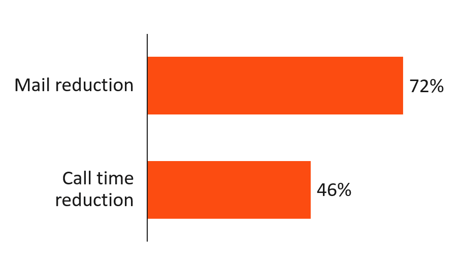
Every fleet is organized differently, but the pattern is consistent: Viamanta significantly reduces communication workload and delivers measurable efficiency gains across your maintenance and repair processes.
“The analysis clearly reflects the feedback we receive from our fleet customers and workshop partners. Our platform provides a simple communication interface and keeps all parties up to date,” says Alina Hoge, Customer Success Specialist at Viamanta.
Communicate on your terms
The reduction in time spent on calls has another advantage for your teams: fewer interruptions in day-to-day operations. Phone calls are inherently disruptive, especially when volumes are high. With Viamanta, coordination shifts from ad‑hoc calls to structured, digital communication that you handle on your own terms.
Instead of reacting to every ring, fleet and workshop managers can check Viamanta a few times per day, process all open bookings in one go, and then return to their core tasks. The result is more focus, fewer distractions, and a more predictable working day for everyone involved.
Digital platforms create clarity and speed
With a digital platform like Viamanta, maintenance and repair processes become predictable, transparent, and easy to control. Fleet managers and workshops can:
-
Book appointments directly based on real-time capacities
-
Approve work digitally with a complete, traceable history
-
Receive and share status updates in real time
-
Access all relevant information on open orders and costs in one place
This reduces daily coordination work and frees fleet and workshop managers to focus on planning and utilization instead of chasing information. Clear responsibilities, faster decisions, and end‑to‑end documentation reduce administrative overhead, increase planning reliability, and support cost-optimized fleet management.
Conclusion: transparent processes, strong teams, efficient fleets
Modern fleet management is no longer just about trucks and trailers – it is about reliably coordinating people, data, and processes across locations and partners. Viamanta connects fleet operators and heavy vehicle workshops in real time so that your teams stay fully operational, even when capacities are stretched.
The impact: significant time saving, less fleet downtime, more cost control, and scalable, standardized processes that give you room to focus on what matters most – stable operations, strategic planning, and maximum fleet availability.
